
Vessel Types
Work Boats
You operate, manage, or are acquiring a commercial working vessel, a tugboat, a pilot boat, a supply vessel, a bunker barge, or any other craft used in professional maritime operations. Registration requirements for work boats are more demanding than for pleasure craft, and the right flag state depends on a combination of factors specific to your vessel and your company. This page sets out the services available to you and where to find the full detail on each one.
Commercial working vessels…..handled by people who know the registers
Registering a commercial working vessel is not a straightforward process. Each flag state has its own eligibility rules, technical requirements, and documentation procedures, and the right flag state for one vessel may be entirely unsuitable for another. The combination of factors that applies to your vessel, your ownership structure, and your operating pattern determines what is available and what is practical.
Lorrendraaier has been registering commercial working vessels across multiple European flag states for over ten years. We know the registers, we know their requirements in detail, and we advise on the right flag state before any application is submitted, not after a rejection. Flag state advice is included as part of every work boat registration we handle.
The four services below cover the full lifecycle of a commercial vessel’s registration: from first registration and delivery voyages through to formal re-registration after a flag change or sale. Each links to a dedicated page with the full process, documentation requirements, and how to get started.
We do not provide fiscal or legal advice directly. Where those aspects are relevant, and for commercial vessels they often are, we refer you to specialists within our network.
Services for your work boat
Looking for flag state advice?
Work Boat Case Studies
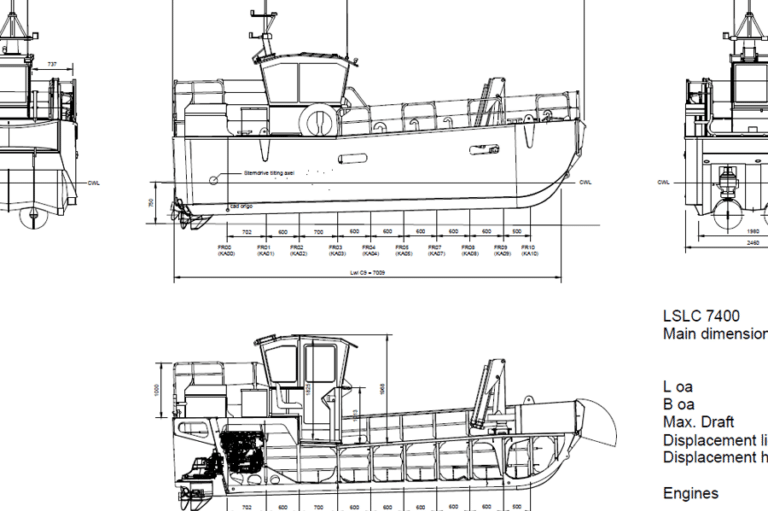
Work boats we register and support
We specialise in commercial working vessels across all categories. If your vessel type is not listed, do get in touch, we will confirm whether and how we can help.
Tugboats
Pilot boats
Bunker vessels
Patrol & crew boats
Supply vessels
Dredgers
Survey & research vessels
Other work boats
What determines the right flag state for your vessel
The right flag state for a work boat is never obvious without working through the factors that apply to the specific vessel and owning entity. Each of these can open or close particular flag state options.
Ownership structure
Some flag states require the owning entity to be incorporated domestically. Others accept EU or EFTA companies. Some have no nationality restriction at all. Beneficial ownership rules add a further layer. We assess the full ownership structure before advising.
Age of the vessel
Many flag states apply age restrictions, either requiring an additional survey above a certain age, or refusing registration outright. The threshold varies between registers and between vessel categories. We confirm this before any recommendation is made.
Vessel type and intended use
Some registers have efficient, well-practised procedures for common types such as tugboats, but limited experience with specialist types such as dredgers or cable ships. The vessel’s trading pattern also affects the survey and inspection regime that applies.
Manning requirements
Some flag states require officers to hold certificates issued or endorsed by their own maritime authority. Others require a proportion of the crew to be their nationals. For operators with crew already in place, this is often a decisive factor in the flag state decision.
Trading area and Paris MoU status
The Paris MoU classifies flag states by their Port State Control detention rate. A flag with a poor record in the waters where your vessel operates means more frequent inspections and elevated detention risk. We only work with white and grey listed flag states.
Fiscal considerations
Tonnage tax regimes and VAT treatment vary between flag states and interact with the structure of the operating company. We do not provide fiscal advice directly, but we refer you to specialists and ensure our registration advice gives them the complete operational picture to work from.
Four services for commercial vessel operators
Select the service that applies to your situation for the full detail on what is involved, what is required, and how to get started.
Service 01
Work Boat Registration
Full registration of your commercial working vessel under the right flag state. We assess the factors specific to your vessel and ownership structure, advise on the most suitable flag state, prepare the complete documentation, and manage the application through to the Certificate of Registry.
Flag state advice is included as part of the registration process. We do not simply file your paperwork, we make sure the flag state is right for your vessel, your crew, and your trading pattern before the application is submitted.
Service 02
Provisional Work Boat Registration
Moving a vessel from one register to another? The vessel must first be deleted, then sailed to its new flag state where the formal registration will take place. A provisional registration covers the entire delivery passage, giving the vessel a valid flag and full compliance with SOLAS, MARPOL, and STCW throughout.
For long international passages, a provisional registration valid for up to one year is available. We work exclusively with white and grey Paris MoU listed flag states for provisional registrations.
Service 03
Work Boat Withdrawal
Selling the vessel, re-flagging, or closing a registration? Work boat withdrawal, formally known as deletion from the ship register, is the required first step before any new registration can proceed. We obtain the Certificate of Deletion and, where the receiving register requires it, arrange the Apostille legalisation.
We manage the deletion and the Apostille as a single, coordinated process, and where the vessel is moving to a new flag state, we carry the documentation through into the new registration so that nothing needs to be collected twice.
Service 04
Survey Coordination
Commercial working vessel registrations almost always require a survey, and a class survey is a recurring obligation under most flag states throughout the vessel’s operational life. The type and scope depend on the vessel category, its size, and the flag state’s requirements.
We coordinate the process: identifying the right surveyor for the vessel type and location, briefing them on the flag state’s specific requirements, and reviewing the outcome before the registration application is submitted. The survey feeds directly into the registration, no delay between the two.
How the services fit together
The four services above are not all needed at once. Here is how they map to the typical lifecycle of a commercial vessel registration or re-flagging.
Provisional registration for the passage
Once the deletion is confirmed, a provisional registration gives the vessel a valid flag for the delivery voyage, from the port of departure to the destination where the formal registration will take place. Valid for up to one year for long international passages.Not sure which flag state is right?
Flag state selection for a commercial vessel is a more detailed exercise than for a yacht. Six factors interact to determine what is available and what is practical for your vessel and operation.
We provide flag state advice as a written report, a documented assessment of the available options and the advantages and limitations of each, tailored to your vessel, your ownership structure, and your trading pattern.
- Ownership eligibility assessed
- Age restrictions confirmed per flag state
- Manning requirements for your crew situation
- Trading area and Paris MoU status
- Fiscal considerations noted, referral where needed
- Written report delivered
International conventions apply throughout
Choosing the right flag state simplifies compliance — but it does not reduce a vessel’s obligations under international maritime law. These conventions apply to all commercially operated vessels regardless of flag state.
SOLAS – Safety of Life at Sea
Sets minimum safety standards for the construction, equipment, and operation of commercial vessels. Each flag state is responsible for implementing and enforcing SOLAS within its register. How rigorously a flag state does so, and what it requires in practice for your specific vessel type, is part of the flag state advice we provide.
MARPOL – Marine Pollution Prevention
Governs pollution from ships: oil, chemicals, sewage, garbage, and air emissions. The certificates required and inspection schedules imposed depend on the vessel’s type and size. The flag state’s approach to MARPOL enforcement is a practical factor in flag state selection.
STCW – Training, Certification & Watchkeeping
Sets minimum qualification standards for masters, officers, and crew. The flag state determines which certificates it recognises and whether foreign certificates must be endorsed. For operators with established crew, the STCW endorsement requirements of a prospective flag state can be a decisive factor in the registration decision.
Maritime professionals we support
Our work boat services are for professionals managing commercial vessel registrations, whether for their own fleet or on behalf of clients.
Vessel operators and owners
You operate commercial working vessels and need to register one under the right flag, one that accommodates your ownership, your crew, and your trading pattern. We advise on all of it and manage the full process.
Shipyards
You are building or refitting a commercial vessel and your client needs registration in place for delivery. We manage the registration and, where needed, the provisional registration for the delivery voyage.
Vessel managers
You manage vessels on behalf of owners. Registration, withdrawal, and survey coordination are non-core tasks for your team. We handle them efficiently, communicate directly, and keep your clients’ data secure under GDPR.
Maritime brokers
You are managing a transaction that includes registration of the vessel under a new flag. We advise on flag state options, manage the withdrawal from the current register, and handle the new registration — end to end.
Maritime lawyers
You are advising on a transaction or restructuring involving a vessel registration decision. We provide the registration and operational analysis that gives you and your client the complete picture alongside the legal advice you provide.Maritime lawyers
Specialised insurance companies
You are underwriting a commercial vessel and need clarity on the flag state’s regulatory framework, PSC record, and compliance requirements. Our registration advice provides exactly this analysis.
Frequently asked questions
Ready to discuss your vessel?
Drop us a note or give us a call. Tell us about the vessel type, age, current registration, and the owning entity. We will advise on the right flag state and the steps involved, and give you a clear picture of what is needed. Boudewijn will be happy to speak with you personally.